Hair concern · 10 steps · 2 min read · Updated 29 October 2026
How to repair heat-damaged hair?
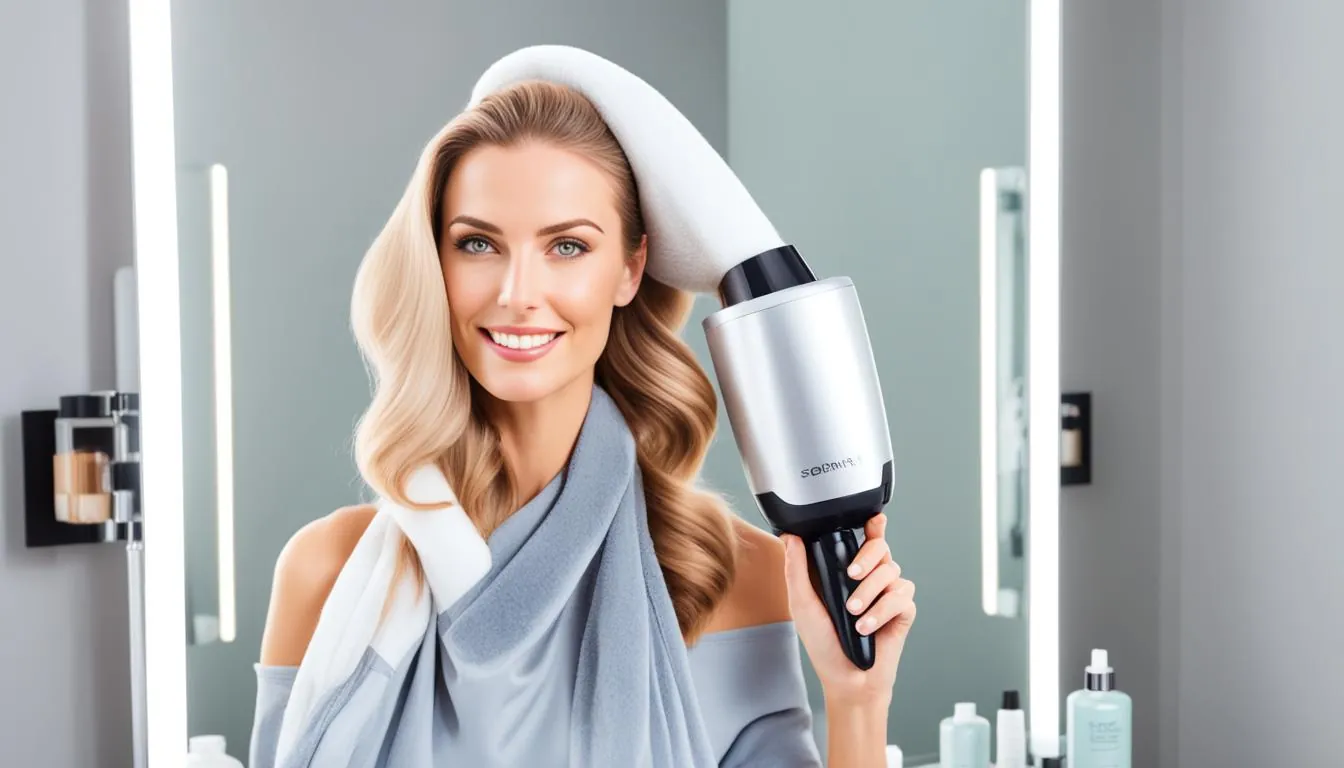
Heat damage happens when hot tools boil the water inside the hair shaft and break down keratin. The signs are dryness, split ends, rough texture, dullness, breakage and curls that no longer bounce back. Damaged hair cannot be truly repaired, only strengthened and managed until it grows out, so the first steps are about stopping further damage:
- 01
Take a Break from Hot Tools
Give your hair at least a few weeks without straighteners, curling wands and high-heat blow-drying. Air-dry, use heatless curlers or braid damp hair for waves.
- 02
Lower the Temperature
Most hair does not need more than 150 to 180 °C. Fine or damaged hair should sit at the lower end. One pass at the right temperature beats several passes at a lower one.
- 03
Never Skip Heat Protectant
Spray or cream protectant on damp hair before drying and on dry hair before straightening or curling. It forms a barrier that slows heat transfer and reduces moisture loss.
- 04
Dry Hair Fully Before Straightening
Flat-ironing damp hair steams the inside of the strand and causes the most severe damage. Rough-dry to about 80 per cent, then finish with the dryer or air-dry completely.
- 05
Use a Bond-Building Treatment
Bond builders help rebuild broken links inside the hair. Use them weekly as a pre-shampoo or in-shower treatment for the first month, then every couple of weeks.
- 06
Alternate Protein and Moisture Masks
Protein masks reinforce the structure; moisture masks restore softness. Too much protein makes hair stiff, too much moisture makes it limp, so alternate every week.
- 07
Wash Gently
Use a sulfate-free shampoo, lukewarm water and conditioner every time. Squeeze, do not wring, and detangle with a wide-tooth comb from the ends up.
- 08
Seal the Ends
A few drops of hair oil or a leave-in on the ends smooths lifted cuticles and reduces splitting. Apply to damp hair and reapply lightly on dry ends as needed.
- 09
Trim the Damage
Split ends travel up the shaft. A trim every six to eight weeks removes them before they do more harm; a bigger cut resets badly damaged lengths faster.
- 10
Protect While You Sleep
A silk pillowcase and a loose braid or bun reduce overnight friction. Avoid elastic ties on damaged hair; use soft scrunchies or claw clips.
Before you go
Be realistic about timelines. Hair grows about 1 to 1.5 cm a month, so fully replacing damaged lengths takes months to years. Treatments make the hair you have stronger and smoother in the meantime, and the new growth will be healthy if the habits change.
Frequently asked questions
Can heat-damaged hair be repaired?
Not permanently. Once the keratin structure is broken, the strand stays damaged until it is cut off. Bond builders, protein and moisture treatments make it stronger and look healthier while it grows out.
What temperature should I use on my straightener?
Fine or damaged hair: 150 to 170 °C. Normal hair: up to 180 °C. Only very coarse, healthy hair needs more, and even then one quick pass is better than repeated passes.
Is a blow-dryer as damaging as a flat iron?
A dryer held at a distance on medium heat is far gentler than a flat iron pressing 200 °C directly onto the strand. Keep the dryer moving and finish with the cool shot.
More hair concerns
All guidesAsk a question
Got a hair question we have not answered?
Send it through and we will point you to the right guide. No newsletter, no spam, just a reply by email.